

Resident Satisfaction Strategies for Apartments
Resident satisfaction strategies for apartments that owners can sustain: faster maintenance, better communication, safer grounds, and smarter upgrades.
A resident who submits the same maintenance request twice is not evaluating your property on the quality of the repair alone. They are evaluating whether anyone is accountable. That judgment affects renewal decisions, online feedback, leasing referrals, and ultimately the income stability of the asset. Effective resident satisfaction strategies for apartments are not built on expensive perks. They are built on consistent operating standards that make living at the community easier, safer, and more predictable.
For owners, the goal is not to chase every request or promise a luxury experience at a workforce property. The goal is to identify the resident experiences that drive frustration and turnover, then correct them with discipline. A clean entry, a working appliance, a clear answer, and a maintenance team that finishes the job often carry more value than a headline amenity that receives little use.
Resident Satisfaction Strategies for Apartments Start With Basics
Resident satisfaction is usually won or lost in ordinary moments. Is the parking area orderly after a storm? Does the common-area lighting work? Does the office return a call when it says it will? Can residents report an issue without repeating their story to three different people?
These details determine whether a property feels cared for. They also reveal whether management has control of daily operations. Owners should treat recurring complaints as operating data, not isolated resident problems. A pattern involving package delivery, noise, trash, parking, water pressure, or work-order follow-up points to a process that needs attention.
The best response is specific. Review the volume, timing, and location of complaints. Determine whether the issue is caused by a physical condition, an unclear policy, a vendor gap, or inconsistent staff follow-through. Then assign ownership, set a completion date, and verify the outcome. Closing a ticket in software is not the same as confirming that the resident’s issue is resolved.
Maintenance Completion Is a Retention Lever
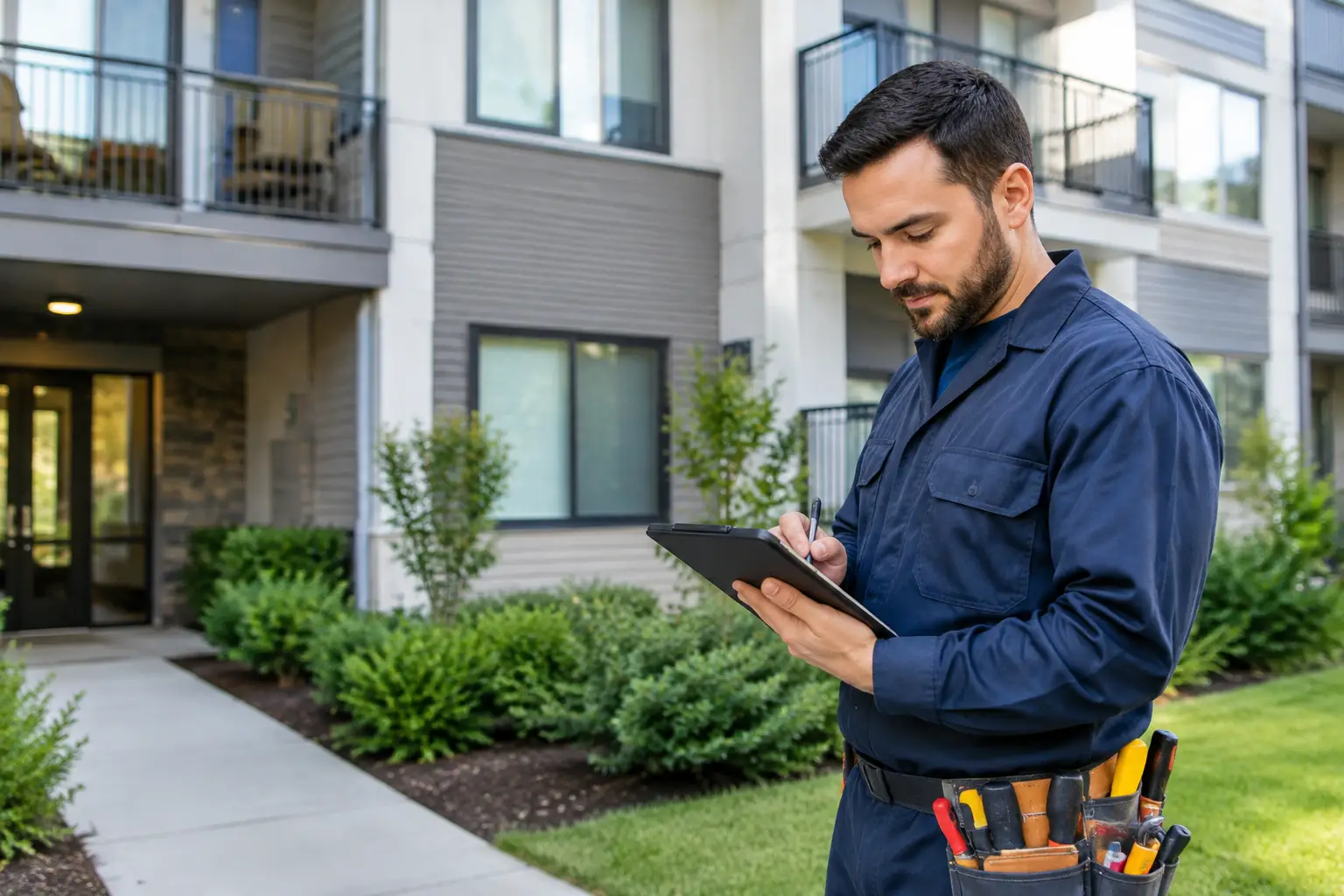
Maintenance is one of the clearest expressions of property management quality. A delayed repair can turn a manageable inconvenience into a reason to move. A rushed repair that fails two weeks later damages trust even more.
Set standards for acknowledging requests, assessing urgency, communicating expected timing, and confirming completion. Emergencies require immediate action, but routine requests also deserve reliable communication. If a part must be ordered or a contractor is needed, tell the resident what happens next and when they should expect an update. Silence creates the impression that the request has been forgotten.
Thorough completion matters. Technicians should have enough time, inventory, and authority to resolve common issues correctly on the first visit. Repeat work orders should be reviewed by category. If the same plumbing fixture, appliance model, or building component repeatedly fails, the owner may be facing a capital-planning issue rather than a maintenance staffing issue.
That distinction matters because replacing a failing component across selected units can be less expensive than absorbing repeat labor, resident frustration, and preventable turnover. The right answer depends on the asset’s condition, remaining useful life, and rent position. Not every recurring issue justifies a major replacement program, but every recurring issue deserves analysis.
Communicate Before Residents Need to Ask
Residents do not expect perfection. They do expect to know what is happening when their routine is affected. Planned water shutoffs, parking restrictions, exterior work, elevator outages, pest treatments, and renovation activity should be communicated early and plainly.
A strong notice answers practical questions: what is happening, why it is necessary, when it will begin and end, what residents need to do, and who can help if there is a problem. Avoid vague statements that leave residents guessing. If timing changes, send an update. A missed deadline with proactive communication is frustrating; a missed deadline without communication feels careless.
Communication should also be consistent across the office, maintenance team, resident portal, and posted notices. Conflicting answers undermine confidence quickly. A simple daily review of active property disruptions helps staff give residents accurate information rather than improvising responses.
There is a balance to maintain. Too many generic messages become background noise, while too little communication creates uncertainty. Focus messages on events that affect access, comfort, safety, or a resident’s ability to use their home normally.
Make Policies Clear and Enforce Them Fairly
Inconsistent policy enforcement creates avoidable conflict. Residents notice when parking rules, pet requirements, noise expectations, or common-area standards apply to some neighbors but not others. The issue is not only fairness. Inconsistent enforcement can lower the perceived quality of the community and create tension among residents.
Policies should be understandable, documented, and applied with reasonable judgment. Staff need a clear escalation process for repeat violations, along with discretion for legitimate exceptions. A resident dealing with a temporary hardship may need a different conversation than a resident repeatedly disregarding community rules. Fair management is not rigid management. It is management that makes decisions consistently and can explain them.
Protect the Physical Experience Every Day
Curb appeal is often discussed as a leasing tool. It is also a resident-retention tool. People want to feel good about where they live when they pull in after work, walk a guest to their car, or come home at night. Neglected landscaping, overflowing trash, broken signage, dim lighting, and worn common areas communicate that the property is slipping.
A disciplined inspection routine prevents small issues from becoming visible evidence of neglect. Walk the property at different times of day. Night inspections are particularly useful for identifying lighting gaps, parking concerns, and areas that feel unsafe. Review hallways, stairwells, mail areas, laundry rooms, dumpster enclosures, landscaping, and building exteriors with the same attention given to a model unit.
Capital improvements should support the resident experience and the investment plan. New flooring in a clubhouse may be appropriate if that space drives leasing and resident use. At another property, the stronger return may come from exterior lighting, parking-lot repairs, unit appliance replacements, or better drainage. Owners should avoid improvement decisions based solely on what looks impressive in a brochure. The question is whether the project improves marketability, reduces future expense, supports rent growth, or prevents resident turnover.
Concept Multifamily approaches these choices as operating decisions as much as construction decisions. A bid is only useful when the owner understands the expected return, disruption to residents, timing, and long-term maintenance implications.
Measure Sentiment, Then Act on What You Learn
Resident feedback is valuable when it is specific enough to guide action. Short renewal surveys, post-maintenance follow-ups, move-out conversations, and online review trends can reveal whether residents are frustrated by a single issue or by a broader breakdown in service.
Do not overreact to one comment, and do not dismiss repeated comments because the property is performing well in other areas. Look for patterns. If move-outs repeatedly cite maintenance delays, noise, or poor communication, compare that feedback with work-order data, staffing levels, vendor performance, and inspection records. The operational cause is often identifiable.
Track a small set of measures consistently: renewal rate, notice-to-vacate reasons, average work-order completion time, repeat work orders, open-request aging, online review themes, and resident complaints by category. Metrics do not replace management judgment, but they make it harder for unresolved problems to hide behind anecdotal explanations.
Give On-Site Teams the Support to Deliver
Resident satisfaction cannot be delegated to an understaffed site team without clear standards. Leasing and maintenance personnel need workable systems, timely vendor support, realistic workloads, and leadership that follows through when problems escalate.
Owners should ask whether staff members are spending their time on resident-facing work or constantly recovering from preventable operational failures. If the office is buried in billing corrections, vendor confusion, and incomplete work orders, residents will feel the effect. Better processes reduce stress for the team and create a more reliable experience for the people who live at the property.
The strongest resident experience is rarely the result of one campaign or one renovation. It comes from a property where the basics are inspected, requests are completed, communication is credible, and ownership makes improvements with purpose. That is the kind of operating discipline residents recognize and owners can rely on over the long term.
Share this article
Follow us
In this post
Latest posts
October 16, 2026
October 16, 2026

October 16, 2026
Subscribe
Subscribe below to receive the New Concepts newsletter: insights on property management, investing, and the industry